
The History of Restorations and Home Media
To get a good glimpse at the process of restoration for the Looney Tunes cartoons, we need to account for their distribution throughout the television air, onto evolving home media, and the reaction from the fandom. So let's head to the beginning.
Preface

In 1929, animators Hugh Harman and Rudolf Ising were terminated from their positions at Universal Pictures. The duo would start their own cartoon studio and pitched their first cartoon, "Bosko the Talk-Ink Kid", to several studios. Leon Schlesinger of the Warner Bros. studio would pick up Harman and Ising's pitch, thus beginning Looney Tunes in 1930. A separate series, Merrie Melodies, would also be bought to theaters in 1931, primarily aimed as a rival series for Disney's Silly Symphonies.
Throughout the years, the studio would experience several changes with its staff, adapting to differing styles over its 40 years of production until the studio shut down in 1969 amid budget concerns. Nevertheless, the series remains to be harnessed as one of the largest influences of animation during the Golden Age.
Even after the series stopped producing new cartoons, television ventures starting in 1960 bought the cartoons into more public view for years to come, being one of the most memorable Saturday morning cartoons throughout the second half of the 20th century. Before this, Warner Bros. would sell the TV distribution rights for a select portion of their filmography to two differing companies in the mid-1950s out of uncertainty of the success of television, creating three distinct packages that refers to whoever owned the cartoons at the time until the Turner Entertainment merger in 1996 allowed Warner Bros. to regain the rights back for their entire filmography:
- The Sunset shorts refer to the black-and-white package of 192 shorts that were sold to Sunset Productions, Inc. (a Guild Films subsidiary), during February 1955. It contains every black-and-white short released from 1930-43 ("Sinkin' in the Bathtub" to "Puss n' Booty"), with the exceptions of the Merrie Melodies solely directed by Rudolf Ising ("Smile, Darn Ya, Smile!" to "We're in the Money"), which were instead sent to AAP (mentioned below). Thus, the Sunset package is best known for containing the black-and-white Porky Pig shorts (of which many were colorized during 1968 and 1990-95), alongside the Bosko and Buddy shorts. Transfers of the shorts during the time came with distinct titles featuring lobby card cutouts of various characters that plastered the original title sequences. When Guild Films declared bankruptcy in 1961, the TV distribution rights were transferred to Seven Arts Productions, who would later acquire Warner Bros. in 1967, regranting Warner Bros. full rights to the shorts in this package.
- The AAP shorts refer to a package of 337 shorts that were sold to Associated Artists Productions (a.a.p.) during February 1956. It contains every black-and-white Merrie Melodies short solely directed by Rudolf Ising ("Smile, Darn Ya, Smile!" to "We're in the Money"), and every color cartoon released before August 1948 ("Honeymoon Hotel" to "Haredevil Hare"). It thus held most of the early appearances of the familiar characters, alongside all of the color shorts directed by Tex Avery, Frank Tashlin, and Bob Clampett. The shorts in this package came with an intro featuring the a.a.p. logo before the start of the short; a.a.p. didn't directly modify the shorts otherwise. Associated Artists Productions would go bankrupt in 1958 and United Artists would purchase the company (where the company would ban eleven infamous shorts, unofficially known as the Censored Eleven, from distribution in 1968); later itself being acquired by MGM in 1981. Due to this, most early home media releases of the AAP shorts come from MGM/UA Entertainment Co. instead of Warner Bros. Eventually, Turner Entertainment would shortly acquire the MGM/UA cartoon library in 1986, and in turn, the television distribution rights would return back to Warner Bros. in 1996 when Time Warner, the studio's parent company, bought Turner Entertainment.
- The post-1948 shorts refer to the shorts that were not part of the sale from both of the aforementioned companies, meaning Warner Bros. kept the full rights for the shorts at all times. This included all of the shorts released after August 1948, starting from "You Were Never Duckier", including post-Golden Age shorts. The shorts in this package are noteworthy for appearing on The Bugs Bunny Show and its various incarnations and spinoffs, where they would go on to dominate Saturday morning cartoons for decades.
But despite that, a lot of the filmography was out of reach for one to watch their favorites over and over, except by luck when the anthology shows were on, unless they had a VHS to record them. Not to mention, they were often censored anyway. So, when did home media come to mind? When did restoration efforts begin? They can be split into two sections here.
Restoration history
Early television airings
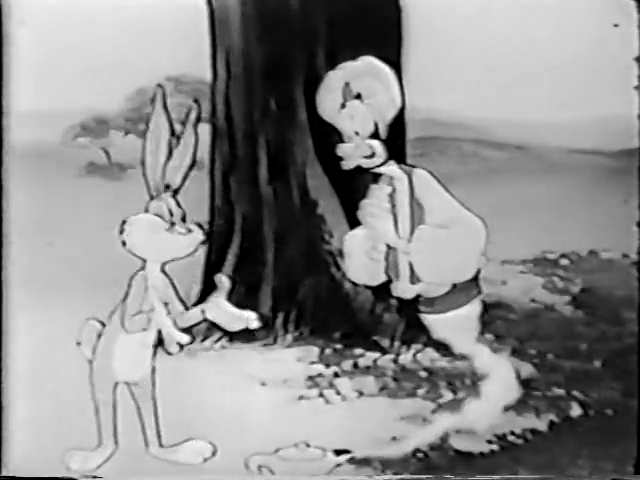
When The Bugs Bunny Show first started airing, Warner Bros. provided cable networks willing to air the anthology show their own prints of the cartoons for networks to air. They were not sourced from the studio's original negatives, but rather from new 35mm prints that would begin to wear down over time as the anthology shows continued to air over the years. It is worth knowing that only post-1948 shorts starting from "You Were Never Duckier" were shipped to these networks, and even then, a good fraction of the shorts within the package were never aired.
For the very few local networks that could get their hands on the Sunset Productions and Associated Arts Productions (AAP) packages, 16mm (Eastmancolor) prints were used, which notably deteriorated at a much faster rate. This perhaps explains a lot of AAP/Sunset prints resurfacing in recent years to look rather horrid, with large amounts of fade. This also applied to the redrawn colorized versions, which were transferred to inferior 16mm material as well.
With tape media on the rise by the 1980s, the post-1948 shorts would begin to have their 35mm prints transferred to 1-inch videotape for television networks to air. Some did eventually make it to VHS media, as stated below. While it did help improve the color balance of the video, this came at a price of a smaller resolution to display the shorts. Not a problem with 80s and 90s televisions at the time, since they were designed to be presented in standard definition in mind, but as technology marches on, the resolution difference becomes pretty obvious when aired on modern networks and viewed on higher resolution TVs and computers.
VHS/LaserDisc transfers
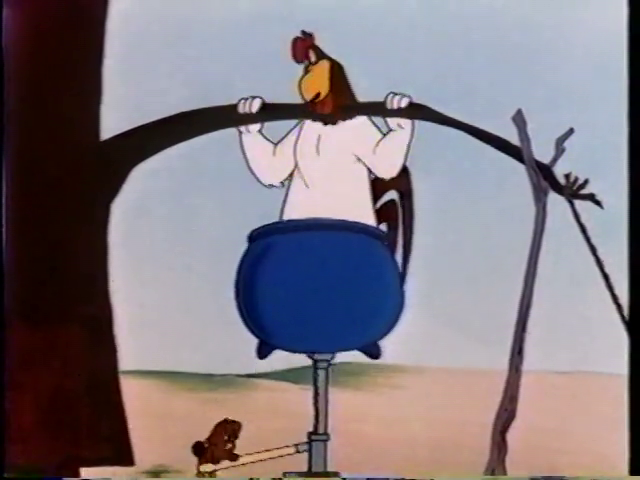
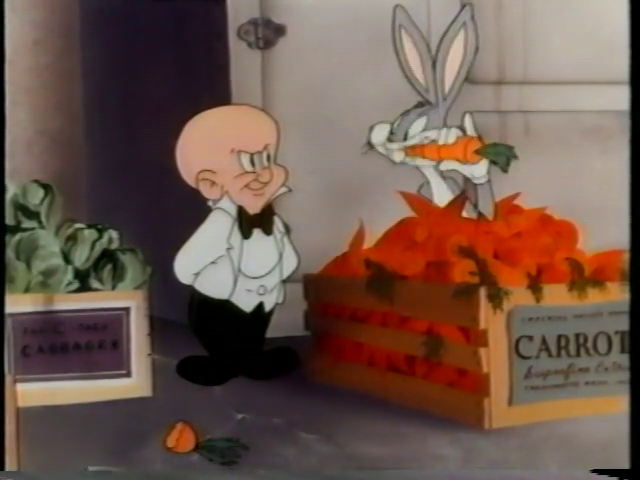
Continuing onto the transfer to videotape, some of these transfers did make it to the hands of early collectors under The Looney Tunes Video Show, the first VHS release (and home media release overall) to come out of Warner Bros. Unfortunately, only a handful reached the hands of the American market, while the rest was restricted to PAL regions and thus was time-compressed to match PAL TV standards.
Things continued to look rather bleak for the AAP and Sunset cartoons. They have continued to air with no sign of improvement, notably having fade go on due to their inferior material. That would be until around 1981, when United Artists (the then-holder of the AAP cartoons) was bought by Metro-Goldwyn-Mayer (MGM). Now with over 300 new cartoons in the hands of a more trustworthy studio that also had experience with the handling of classic cartoons from their own studio, MGM would begin the transfer of these shorts to videotape as well. The improvement in the video quality was phenomenal at the time, but MGM still could not access the original negatives and only had the Eastmancolor AAP prints on hand, so coloring was still faded for several of these cartoons. Every cartoon in the AAP package, including the infamous Censored Eleven and other shorts seldom aired due to harmful, outdated ethnic stereotyping, was all transferred, currently keeping their AAP logos in the meantime. The videotapes first made their home media debut on the Viddy-Oh! For Kids Cartoon Festivals VHS sets, and these transfers made up a significant portion of the LaserDisc/VHS set The Golden Age of Looney Tunes, which notably released every cartoon in the AAP package except for the Censored Eleven and after backlash from the Japanese American Citizens League, "Bugs Bunny Nips the Nips".
Meanwhile, on the spectrum of the post-1948 cartoons, Warner Home Video was up to continuing their videotape transfer to a larger range of cartoons for their next VHS/Betamix home media set, Warner Bros. Cartoons Golden Jubilee 24 Karat Collection. However, the process changed a bit while making the transfers. Notably, this is where the title card borders make their first appearance, which crops out "TV safe" areas that would be subject to being cut on certain television models, particularly in PAL regions. However, this also marked the first time the Sunset cartoons were transferred to videotape. Again, original negatives were still not used, and television syndicated prints were used instead. These prints would notably be the versions that still aired on television networks, including Cartoon Network and Boomerang, until the former dropped the shorts from its programming and the latter was rebranded in 2015.
Various of these videotape transfers were made to be shipped to various cable networks, most notably ABC and Nickelodeon. This spanned from most of the cartoons the studio could get its hands on, including lesser-known ones such as the Harman-Ising and Seven Arts-produced shorts. However, only a small fraction of them actually made it to home media at the time; most others were restricted to TV airings only.
Dubbed versions
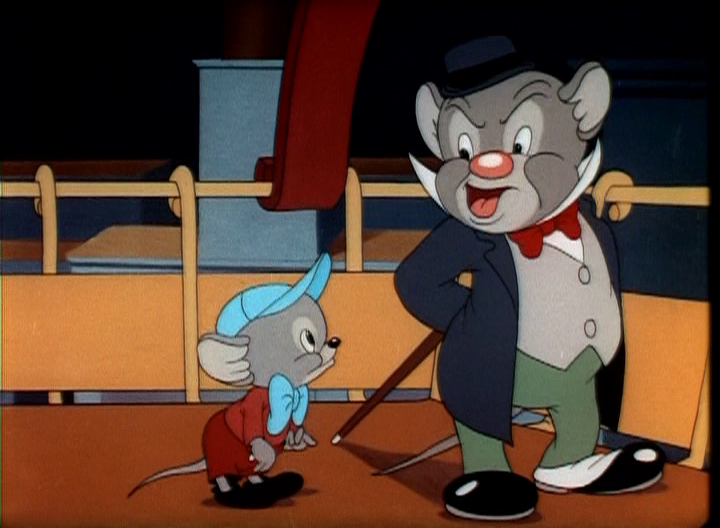
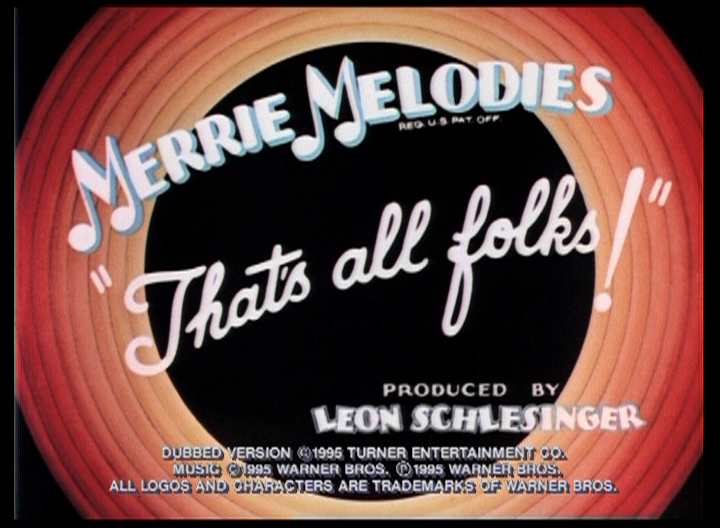
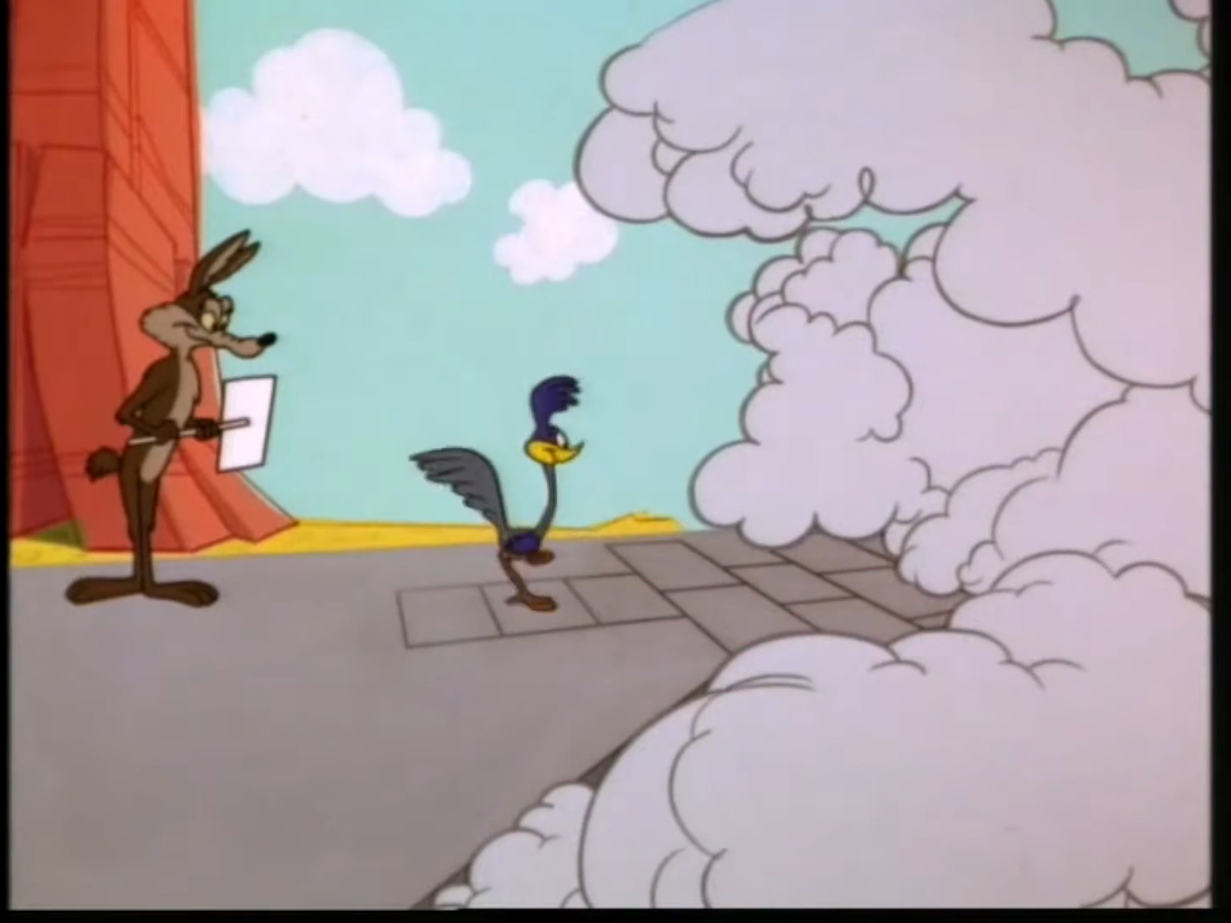
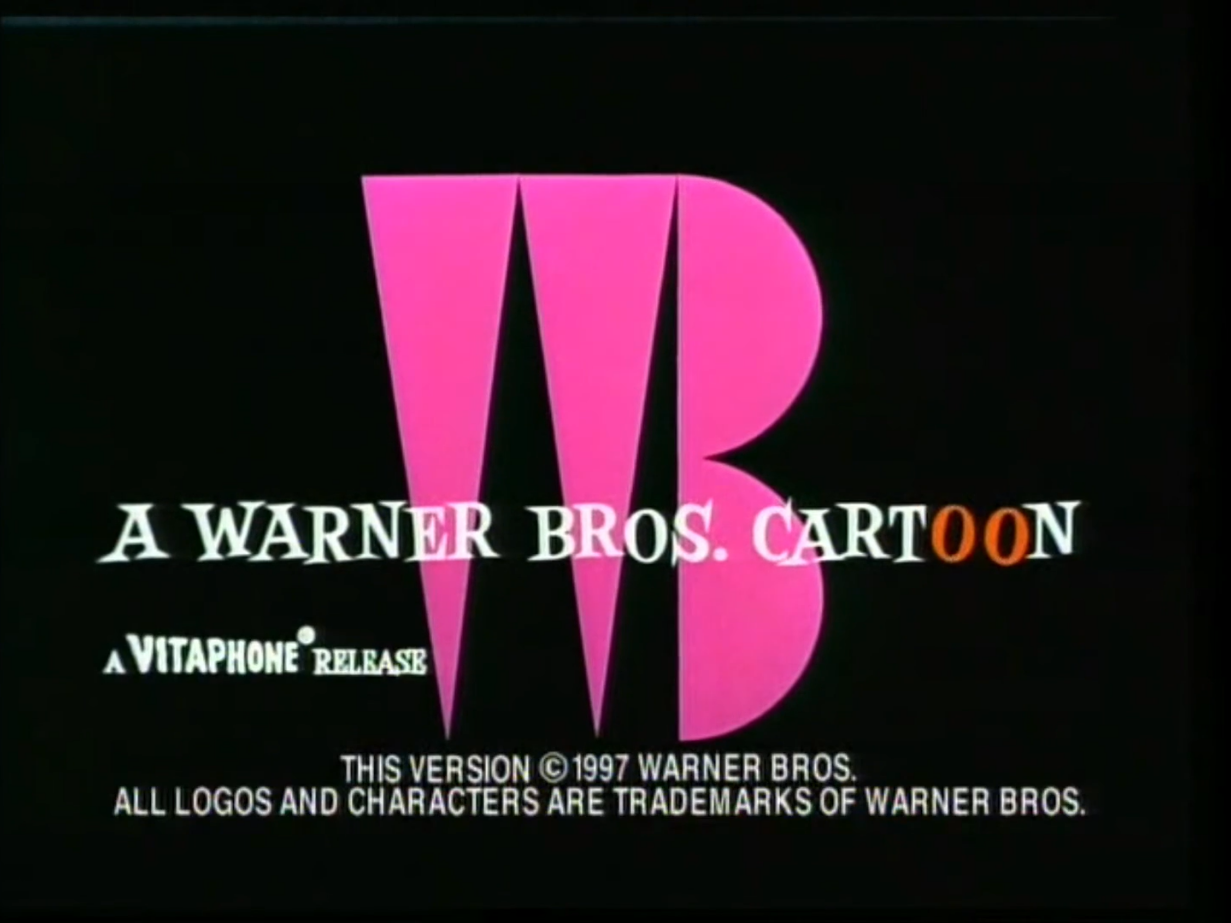
This category of restorations can be split into 3 different versions: the 1995 dubbed versions that account for all cartoons in the AAP package, the 1997 dubbed versions, which are LaserDisc transfers with a re-scanned audio track, and the 1998 dubbed versions, which account for the absolute earliest restoration efforts.
1995 "Turner" dubbed versions
These versions largely came out from the launch of Cartoon Network in 1992, which aimed to air classic cartoons for cable viewers. Most of their television originals were already in good shape, being largely recent creations, but their classic cartoon backlog was in dire need of remastering. Turner Entertainment, the company that hosted Cartoon Network, took their AAP library they had available, and worked in the back to begin another remaster of their shorts. Unfortunately, they were still unable to get access to the original negatives, so the same Eastmancolor 16/35mm prints were still being used. These were released under a new label called "dubbed versions", as a new effort to allow soundtracks of the shorts to be more readily distributed in foreign countries for dubbing shorts into other languages. This didn't stop some prints from infamously having botched or incorrect audio, particularly during ending titles. By 1995, the project was completed, and these versions began airing on television.
Rather infamously, these releases scrubbed the original ending titles of the shorts, replacing them with a stock "dubbed version" end card with a new notice. This largely caused controversy among animation buffs, but this was the best that could be done to remaster the shorts at the time. Video quality largely varied with each short, depending on the quality of their original print, and some suffered from DVNR. For more information about DVNR, see this article from animation historian (and common commentator during the Golden Collection) Amid Amidi. Although they do not fit the modern standard of being restored, it marks one of the largest movements towards remastering at that time.
These versions first appeared on home media in the final volume of The Golden Age of Looney Tunes, and have notably continued to be used in home media where the AAP package shorts were not able to be restored in time for their release on home media. This practice was done up to the Looney Tunes: Parodies Collection in mid-2020, which was the final new home media set that had unrestored cartoons.
1997 dubbed versions
The jarring difference of quality between the AAP shorts and the post-1948 and Sunset shorts was so much that Warner Bros. was conceived to expand towards their own side as well. By this point, digitization has made it more easier to correct errors during the remastering process and perhaps most notably, greatly improved picture quality to modern standards. Only select post-1948 shorts, alongside a computer colorized print of "You Ought to Be in Pictures" were part of this project.
New scans were being done in 1997. Unfortunately, these early attempts don't match up to modern standards of restoration, primarily since they originally were transferred from analog LaserDisc prints. They are notable for containing a new "dubbed version" notice of its own at the end, although it is often removed on television airings. Home media releases featuring these dubbed versions are rare, primarily since they were hardly shipped in the North America and were only shipped on older formats such as LaserDisc or VHS, with the only known release in North America having these dubbed versions coming from the The Collector's Edition series.
1998 dubbed versions
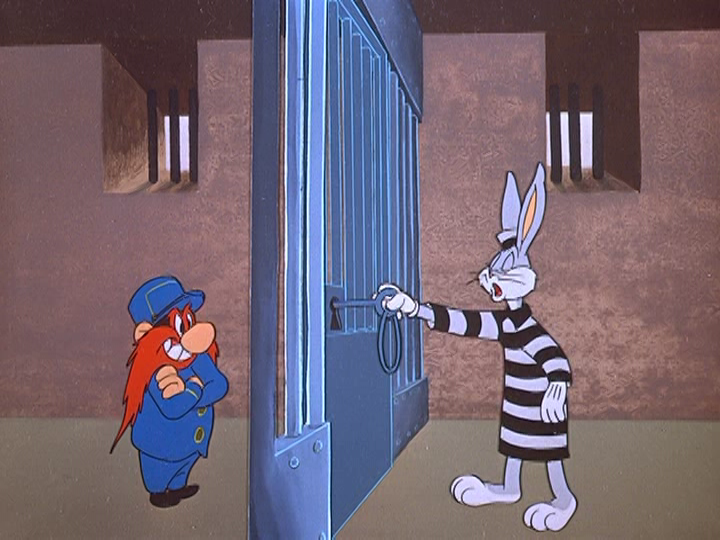
As time went on, Warner Bros. would end up using the original master negatives for once. A vast improvement upon previous releases, the shorts now notably look close enough to their original theatrical releases. Although they were done in SD definition, such a feat was largely impressive for its time and marked the beginning of a new era of remastering cartoons.
These restorations mark the earliest accepted restoration prints, primarily as these prints largely removed dirt and damage throughout the film while preserving any cel dust or grain. The end result ended up being impressive enough that these prints would be one of the first to make it to DVD media in the United States. As a result, this website counts 1998 dubbed versions as restored versions, although they might not necessarily be viewable at the best quality on HD resolutions.
These versions would first appear overall on the second wave of the Modern Looney Tunes series. It would later be prominent on the The Collector's Edition series, of which the series used all versions of the dubbed prints to ensure that the best prints available were being used for the final set of VHS releases in North America. While these 1998 dubbed versions originally had a disclaimer notice at the end, they were often removed on later releases, such as on home media and television.
Once Turner Entertainment was able to claim the post-1948 and Sunset packages, these versions would make it to television air as well.
Restoration beginnings
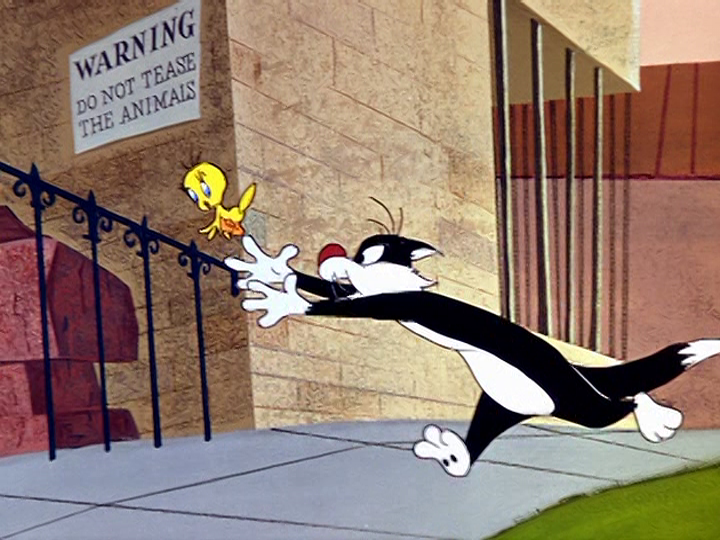
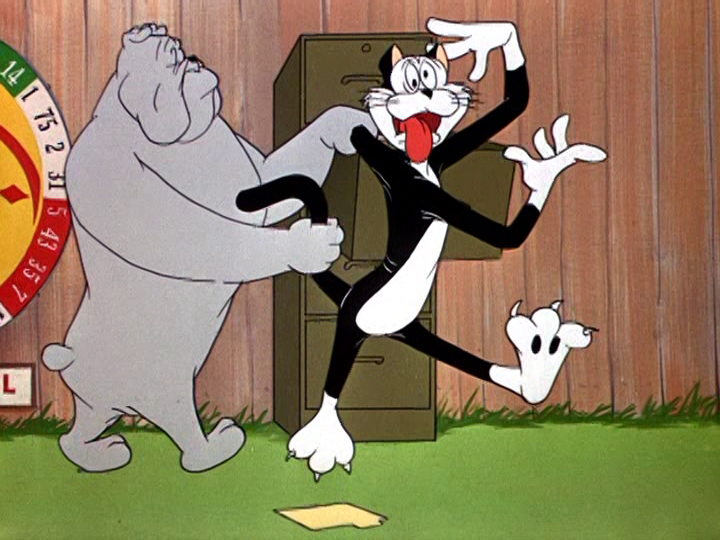
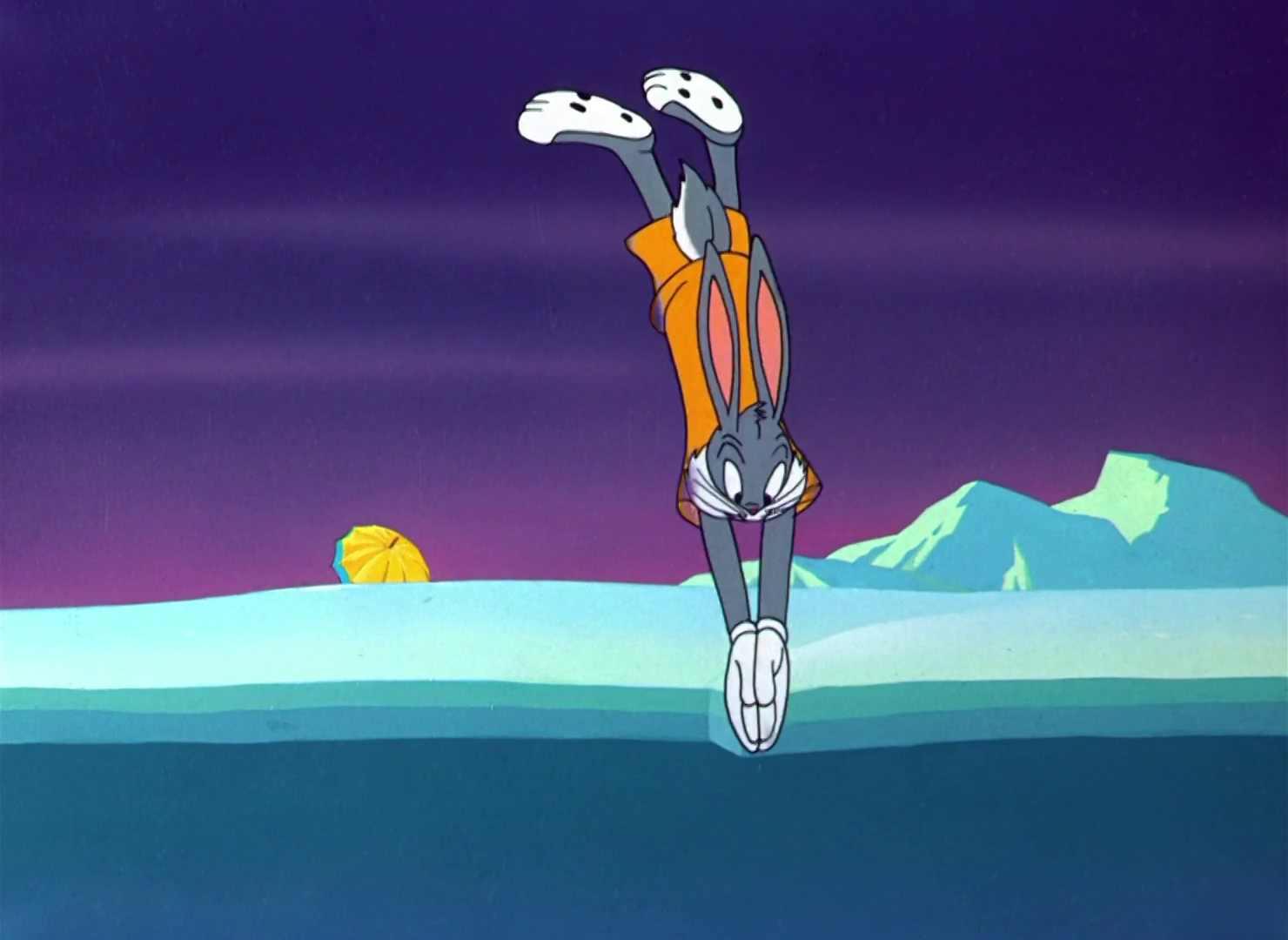
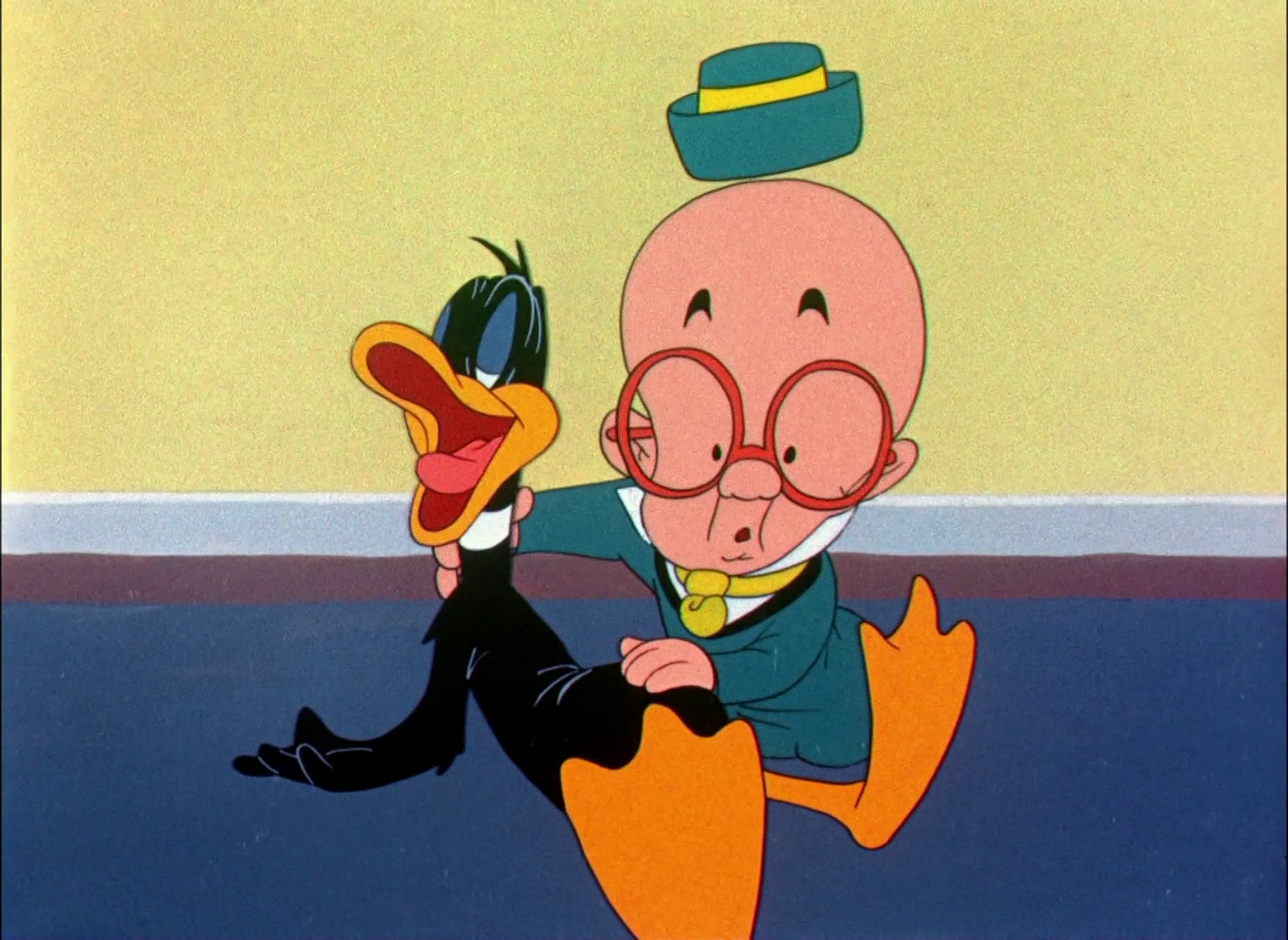
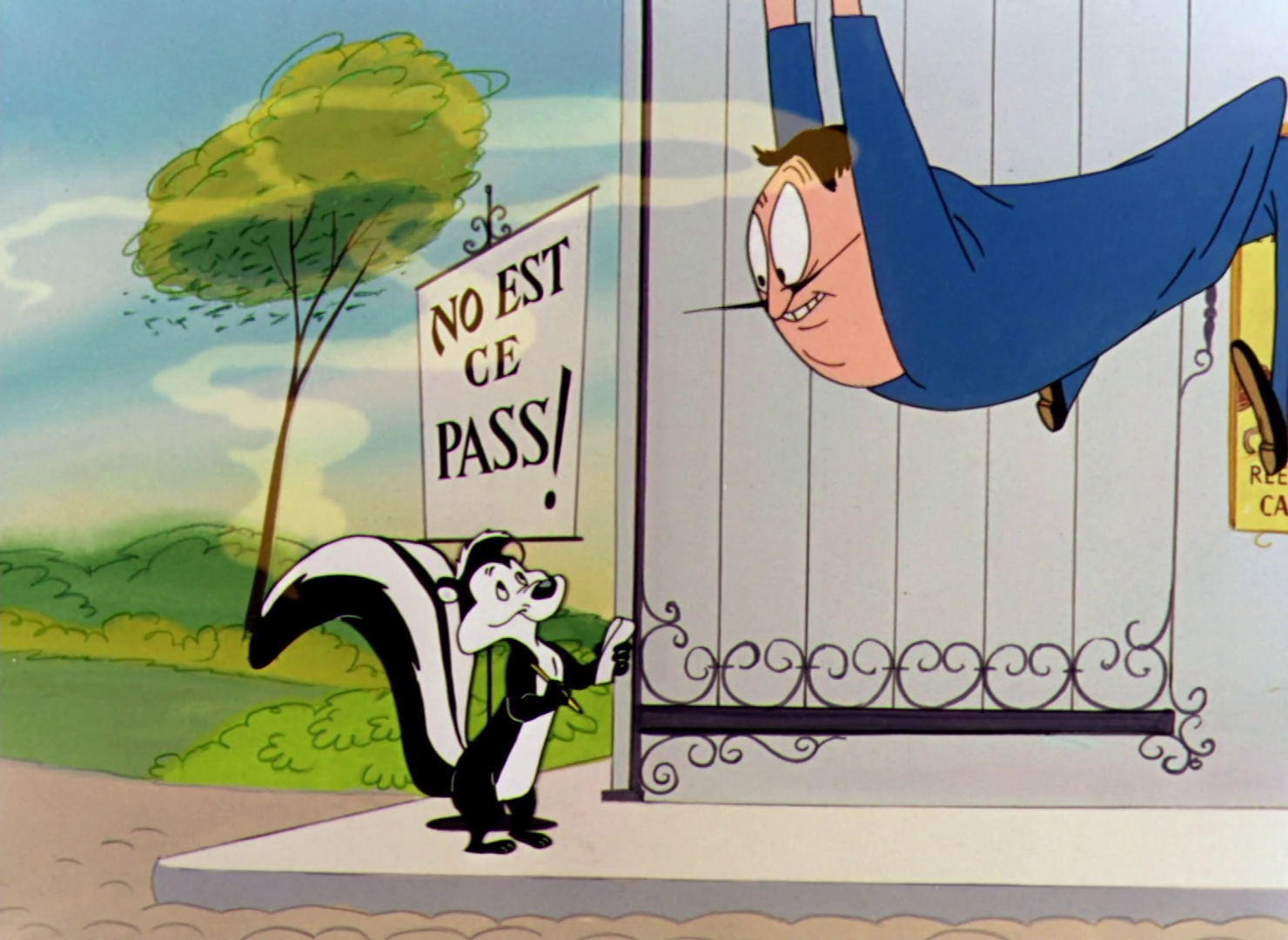
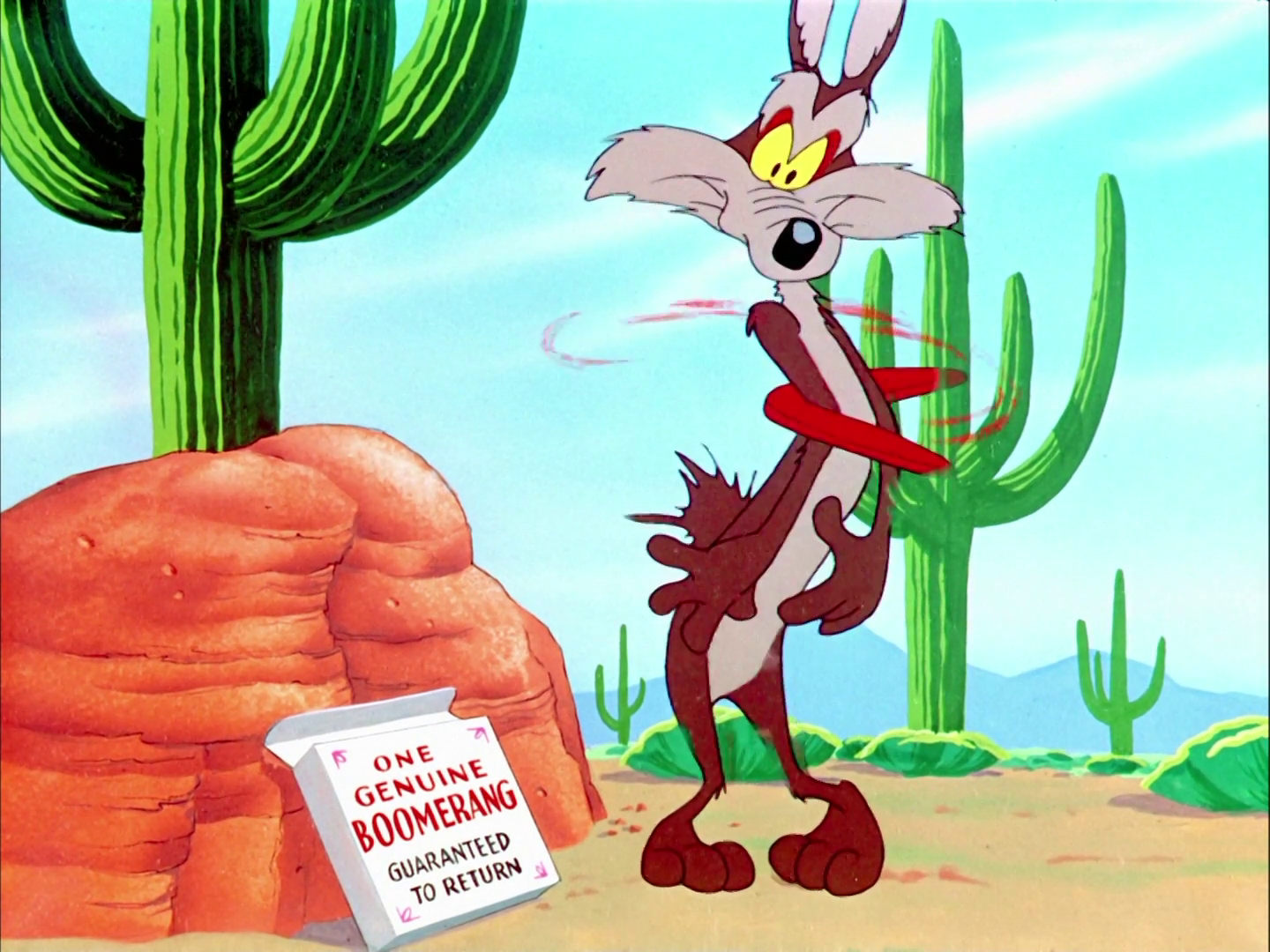
This old process of restoring the shorts digitally frame by frame continued throughout the early 2000s, with Tweety cartoons primarily experimented with at the time to be shipped to Japanese DVDs titled I Love Tweety. While they were serviceable by the time, contemporary viewers noticed that DVNR had heavily infested a large amount of the shorts, causing lines and a plethora of lines or other elements to disappear. Worse, only the post-1948 shorts were in good shape for the studio to restore. They had attempted a few test runs of AAP shorts in the back, but the results were rather unacceptable and wouldn't fit modern restoration standards if shipped as is.
Once Warner Home Video was intrigued by the success of Disney's Walt Disney Treasures DVD set in the early 2000s, the home distribution studio realized it was time to up their game to match up with them. The results would be finally seen in 2003, with the release of the first volume of Looney Tunes Golden Collection. Although some of the cartoons in the first volume are derived from the 1998 dubbed versions, several others were given proper new restorations to prepare for HD, having better care to managing color balance and removing dirt. Even AAP shorts were involved in this process. The difference compared to previous prints was huge, and marked a new standard for how cartoons are to be presented on future home media releases. By the release of the fourth volume, SD restorations were no longer present on the DVDs, and all future restorations were made with HD in mind (although the second and third volumes had several of their shorts restored in HD, most of the Tweety cartoons present were carryovers from their SD I Love Tweety prints).
This standard continued throughout the rest of the Golden Collection's lifespan until Warner Home Video ceased to produce new volumes after 2008. Even the Censored Eleven was restored in this manner, which were aired at the TCM Classic Film Festival in 2010 but have since never been seen in public light.
In 2010, a new practice was being introduced around the time the Super Stars sets were being produced, with notably different (and darker) colors compared to past prints. It seemed that around this period, the in-house restoration team was struggling with dwindling profits and lower home media sales as people turned to streaming and digital retailers such as iTunes. On the bright side, the majority of the restorations during this period had their "TV safe" black borders removed, giving a bit more image on opening titles. This procedure continued onto the Platinum Collection sets until it was discontinued in 2014.
Despite being long available on home media at the time, they weren't used on television networks until Boomerang rebranded in 2015 and used as many restored prints as made available. Despite that, there are still several cartoons with known restored prints that air unrestored on that network (and Cartoon Network) for unknown reasons.
2020 restorations
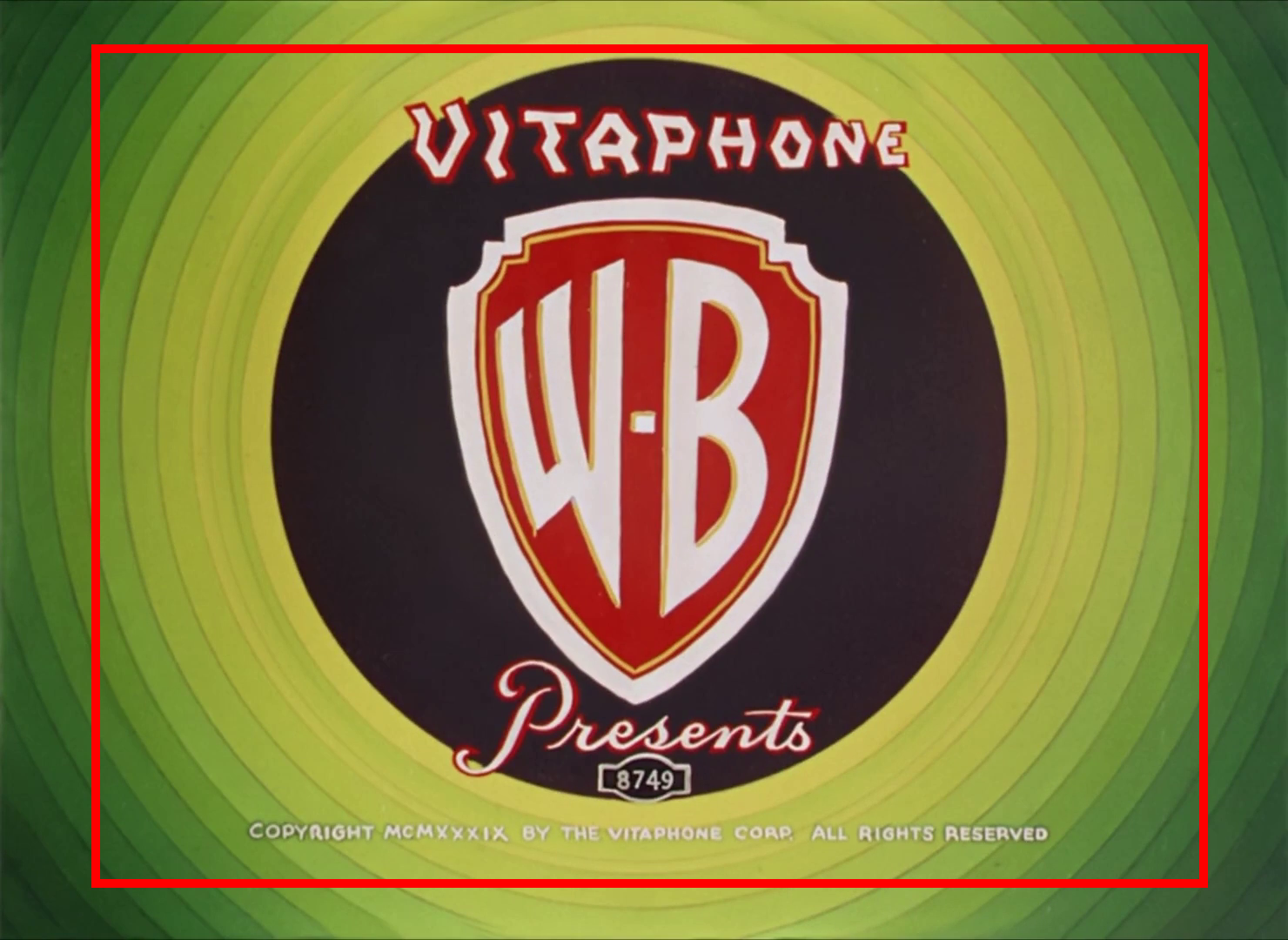
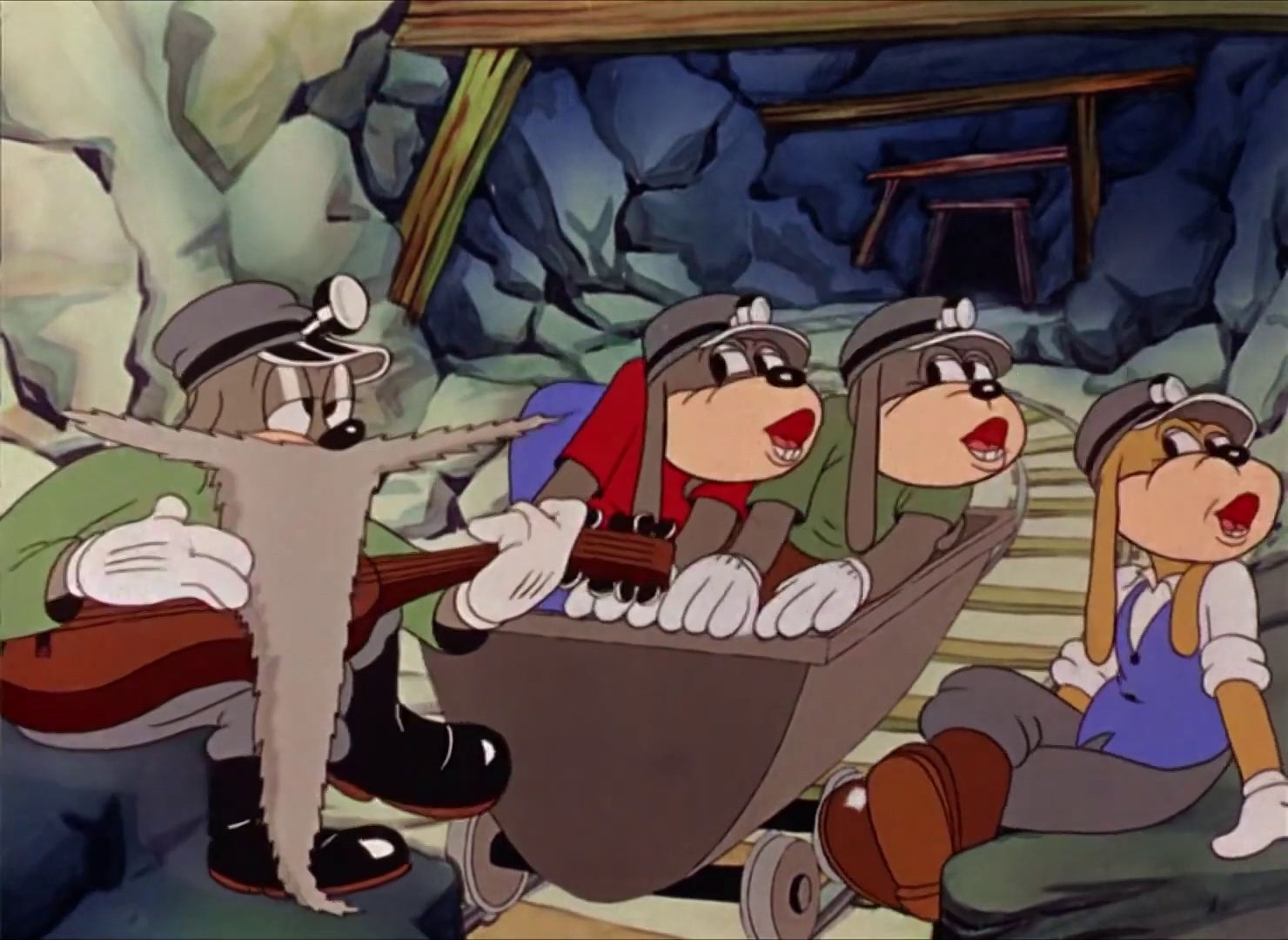
After 2014, the state of restorations became largely stagnant. Warner Bros. primarily stated this due to low sales of the failed Platinum Collection series and low budgets to restore new cartoons. For at least six years, the shorts that were present on volume 3 of Platinum Collection were the last time anyone saw any newly restored shorts ever come out. Sure, Warner Archive did some attempted remastering of several shorts for two of its own sets, Bugs Bunny: Superstar and Porky Pig 101, but critics deemed them not fitting towards modern standards of restoration like the Warner Home Video sets at the time.
This wouldn't be until 2020, when Warner Bros. Discovery announced its streaming service, HBO Max. Initially, just cartoons that were previously restored were included on the service. But there was more that was being done on the back.
With the streaming service open and a large surge of popularity of Looney Tunes related media on the service (particularly of its then-new 2020 show, Looney Tunes Cartoons), there was now a demand to get more of the classic cartoons on the service. This even included several of the cartoons that weren't present on Boomerang's streaming service at the time, nor what was seen on TV at the time (even at the time the service launched, Boomerang was practically only rotating the same 25 or so shorts on its Looney Tunes block).
By the time Warner Bros. found out about this surge of population, there was definitely an audience for the studio to seek out for the classic cartoons. Thus, the plan to restore a lot of the remaining cartoons began.
Unfortunately, this happened to be around the COVID-19 pandemic, which caused Warner's in-house studios to be closed for safety purposes. As a result, high quality 35mm transfers of the cartoons were shipped to various foreign outsourcing post-production companies that currently remain unknown. Nearly the entire catalog of cartoons were shipped, including the Harman-Ising Merrie Melodies and the DePatie-Freleng and Seven Arts cartoons, with the most notable exceptions being shorts barred from airing on contemporary television for containing harmful, outdated ethnic stereotyping (although a few that did edge this territory, such as "China Jones", "The EGGcited Rooster", and at least one Bosko short was shipped for restoration). Even some shorts that were restored in SD during the early restoration years (practically up to Volume 2 of Golden Collection) were given another restoration in order to match up to HD standards.
These restorations would begin to debut on the streaming service around August 2020, with an initial test run of a few newly restored cartoons. Before this, only shorts already restored on home media were on the streaming service. Around this time, though, viewers began to notice perhaps one of the most controversial moves in the restoration project.
The restorations were primarily done throughout different post-production companies, so the quality of the restorations themselves largely varied between each other. Wherever it took place, the majority of it was done using Adobe software. However, one widespread problem that even casual viewers noticed is that numerous shorts had their title cards appear "zoomed out" heavily. This is from the effects of attempting to fill up the "TV safe" areas, which previously were just a black border or zoomed in on past restorations. Not a problem by itself, however, the process that was done to do so involved artificially filling up the "TV safe" area with copious amounts of photo editing from the title cards. The result was largely deemed amateurish by fans, leading to the term of "photoshopped titles" that refer to cartoons that had extensive photo editing of their title cards. That aside, other miscellaneous gaffes commonly popped up, with most affecting opening/ending titles. It is heavily presumed that most of these titles were re-done digitally due to being cheaper than restoring the titles frame-by-frame.
Depending on the cartoon, the actual cartoon content was restored in a neat condition, with very minimal DVNR compared to past restorations. Perhaps the largest casualty might be from grain removal on some shorts, which may look off-putting for some viewers. Depending on the condition of the cartoon, the colors might have also stayed washed out or the quality of the picture might have been impacted; around this period is when animation buffs found out cartoons such as "Riff Raffy Daffy" had lost its original Technicolor camera negative, making any chance of getting a clearer version of the short nearly impossible for the foreseeable future. There were still audio errors, but that can still be pinpointed on reusing the soundtracks from the 1995 Turner dubbed versions and whatever prints were used for Porky Pig 101.
Restorations using the original negatives would not turn up until the release of the Collector's Choice Blu-ray set in 2022. The first cartoons restored in-house were "Beanstalk Bunny" and "Catch as Cats Can". This process has been done slowly yet surely for the remaining cartoons without a known restoration, which amounts to a little under 200 shorts.
These restorations are what are often seen on Weigel Broadcasting networks, such as MeTV and its subsidiaries. They were also broadcast on Discovery Family when Warner Bros. merged its operations with Discovery. Despite that, they're hardly seen on Turner Entertainment networks for who knows why.
The future
With more than 80% of the cartoons being restored, there might seem to be a small pathway left for the remaining cartoons that need restoration. However, there may be some factors that can throw a hurdle in this plan:
- Budget: This seems to be stressed the most whenever the home media division is questioned for the lack of restorations, especially before the 2020 restorations came into play. In-house, it is expensive to restore a single short, usually being close to high-four to low-five figures per short. And since there's over 1000 shorts, that would be a massive blow to go through; it would cost the studio millions, if not more, to restore all the shorts from scratch. Although the outsourcing did remedy this a lot, clearing a third of the entire filmography this way, it still has problems of its own that will likely not make it feasible to try that approach again.
- Social atmosphere: I think it's tellingly obvious why the Censored Eleven, Bosko shorts, Inki shorts, and other related shorts won't easily see the light of restoration. These shorts are, of course, a product of its time, and while some manage to remain timeless, a few others have certainly not aged for today's atmosphere. Of course, we should not downplay social awareness of the minority groups depicted in these cartoons, nor should we advocate for intolerable and incorrect depictions of such groups. Not to mention, these shorts are primarily pursued only for historical purposes rather than for entertainment, giving them a much lower audience, too.
- Low reception of certain cartoons: Name one historian or cartoon buff who unanimously would like a Daffy/Speedy/Seven Arts or Harman-Ising/Buddy collection. You're not going to find a lot of interest here, unfortunately. Maybe with better history about the studio's situation during the early and late years it may be able to garner some interest to fans, but unfortunately, they're generally unfavorably compared to Hanna-Barbera cartoons and early Disney musical cartoons respectively, hence their low interest.
This also applies for a few missing cartoons from the filmography of certain characters. Notably, "Pre-Hysterical Hare", one of the most disliked Bugs Bunny cartoons, was released as a "last and least" Bugs addition to the third volume of the Looney Tunes Collector's Choice set, where it finished the 50s filmography of Bugs Bunny on home media after over 40 years of home media releases. Dispersing some of the best cartoons in the series and the duds has been a challenge for the restoration team to deal with, since it can be easy to put all eggs in one basket and be left with only bad eggs left.
Despite these challenges, when MeTV Toons launched in 2024, Warner Bros. announced plans to restore practically their entire filmography, which includes cartoons both classic and modern. Will it ever be accomplished and tick the restored cartoons up to a full 1,002? Only time and the success of any future home media sets will tell.



Top (Sunset): Redrawn colorized (1968), computer colorized (Authentic and Original Looney Tunes Cartoons, 1992), The Collector's Edition (2001), Porky Pig 101 (2017), HBO Max (2020)
Middle (AAP): Bootleg public domain VHS (1980s), AAP print (The Golden Age of Looney Tunes, 1991), 1995 dubbed version (The Collector's Edition, 2000), Golden Collection (2004), Platinum Collection (2014)
Bottom (post-1948): Golden Jubilee 24 Karat Collection (1985), Authentic and Original Looney Tunes Cartoons (1994), 1998 dubbed version (The Collector's Edition, 1999), I Love Tweety (2001), HBO Max (2020)
Home media history
The earliest formats of home media, VHS and LaserDisc, both made their introduction around the 1970s and quickly dominated the home video market shortly after their debut. Prior to this period, only collectors who managed to have their hands on several film prints were able to claim the shorts in their collection, but even that was subject to wear and tear and could easily be destroyed if not handled properly. Associated Artists Productions (AAP) most notably shipped Super 8 films of their library during their years of operation until they were fully bought out by United Artists in the 1960s. Those prints often were in black-and-white and often had no sound.
The actual home media efforts for Looney Tunes shorts began in 1982, launching the first set of VHSes known as the Video Show. From there, the rest is history. See the navigation bar at the top to view the sets and learn more, or visit one of the main pages for the mainline series below.
VHS/LaserDisc series
- The Looney Tunes Video Show (1982-84): The first VHS series showcasing the post-1948 shorts, of which most volumes were only available to international markets.
- Warner Bros. Cartoons Golden Jubilee 24 Karat Collection (1985-86): The second VHS series showcasing the Sunset and post-1948 shorts and perhaps the most well-known of the VHS releases.
- Viddy-Oh! For Kids Cartoon Festivals (1985-86): The first VHS series showcasing the AAP shorts, part of a wider series from MGM/UA Entertainment Co. Notable for removing opening titles to present the shorts as a singular program.
- Warner Bros. Cartoon Cavalcade (1988-89): A short-lived series featuring new visual standards to the shorts.
- Cartoon Moviestars (1988-90): The successor to the Viddy-Oh! series that marks the first time the AAP shorts were released untampered, alongside the first set of LaserDisc releases for the series.
- The Golden Age of Looney Tunes (1991-97): A series of LaserDisc releases that succeeded Cartoon Moviestars best known for containing the entirety of the AAP library with the exception of the Censored Eleven.
- Authentic and Original Looney Tunes Cartoons (1992-94): The successor to the Cartoon Cavalcade series that also released the Sunset and post-1948 to LaserDisc for the first time.
- Modern Looney Tunes Series (1996-97): A set of VHS releases intended to advertise the new revival theatrical shorts made at the time.
- Stars of Space Jam (1996): A set of VHS (and LaserDisc in Japan) releases made to promote the movie Space Jam, which was later ported to DVD in 2018.
- Looney Tunes Presents (1999-2000): The last set of retail VHS releases in North America.
- Looney Tunes: The Collector's Edition (1999-2001): Mail-in order VHS releases in collaboration with Columbia House intended to target the collector's market. This series also mark the final release for the VHS format.
DVD/Blu-ray series
- I Love Tweety (2001): The first DVD series released only in Japan showcasing a selection of Tweety shorts in one of the earliest digital restoration efforts.
- Looney Tunes Golden Collection (2003-08): One of the most well-known of the Looney Tunes DVD releases featuring restored shorts and several full-fledged historical bonus content. Also covers the family-oriented Spotlight Collection (2003-14) released in conjunction.
- Looney Tunes Super Stars (2010-13): A set of family-oriented DVD releases themed upon the familiar characters that garnered controversy for widescreen cropping.
- Looney Tunes Platinum Collection (2011-14): The first release of the shorts on Blu-ray that whilst setting up the shorts to the best video/audio standards, sold poorly on its initial release.
- Looney Tunes Collector's Choice/Vault (2023-present): A currently ongoing set of Blu-ray releases intended to release shorts never released restored on Blu-ray, with the series rebranding from Collector's Choice to Collector's Vault partway to introduce a new disc for DVD to Blu-ray upgrades.
References
- Amidi, Amid. "Digital Noise Reduction: Where'd That Cartoon Go?" Digital Noise Reduction: Where'd That Cartoon Go?, Animation World Magazine, Mar. 1999, www.awn.com/mag/issue3.12/3.12pages/amididvnr.php3.
- Justin, Delbert. "Restoring the Looney Tunes." Blogspot.com, 2021, jldelbert.blogspot.com/2021/04/restoring-looney-tunes.html.
